

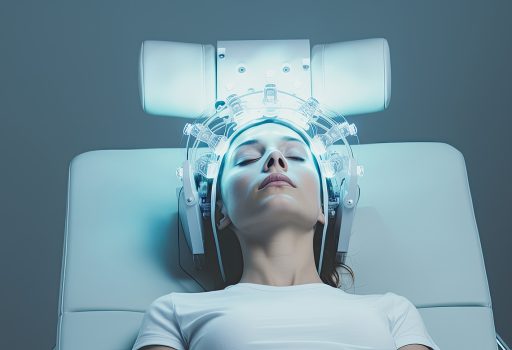
How supercomputing may improve our sleep
With the help of the supercomputing and the research network, researchers exploit the vast amounts of international sleep data.
With the help of the supercomputing and the research network, researchers exploit the vast amounts of international sleep data.

In a joint project, University of Eastern Finland and Finland’s R&E network CSC have cut down a key procedure in drug discovery from four months to 10 days.
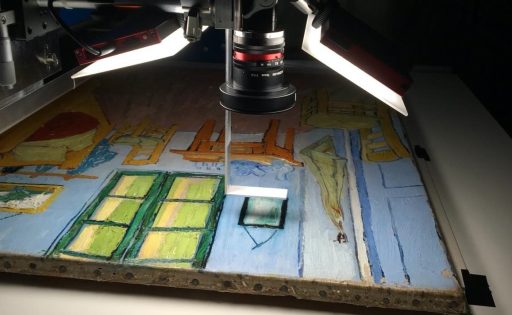
Why do some colours in Vincent van Gogh’s paintings gradually change, and what can be done about it? That is what the Van Gogh Museum is trying to find out together with ASML and various scientific institutions.

“Simple pen and paper are not enough; numerical modelling is needed. This kind of modelling is also challenging because of many different time and other scales, and it requires supercomputer resources,” says Professor Maarit Korpi-Lagg.

Jisc, the NREN of UK, is working with startup company TeacherMatic to bring relief to teachers across the country through artificial intelligence.

A European project will enable the prediction of flooding from glaciers that threaten settled areas and infrastructure.

With assistance from a supercomputer, a Finnish research group has developed the first comprehensive Finnish language model.
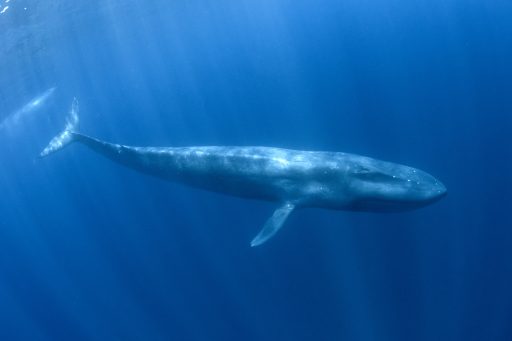
Using sub-sea cables as scientific instruments for collecting environmental and other data is an interesting new trend

In Finland, a new type of supercomputer merges conventional supercomputing with quantum computing. An application could be calculating in near-real-time how a tsunami will develop.
Subscribe to our newsletter.
Submit a Story