

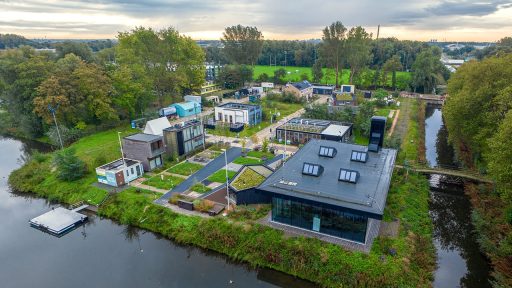
Data platform fuels real-world innovation at Green Village
SURF’s Green Village Data Platform brings real-time sensor data together for sustainability experiments at TU Delft’s living lab, enabling collaboration and practical innovation.
SURF’s Green Village Data Platform brings real-time sensor data together for sustainability experiments at TU Delft’s living lab, enabling collaboration and practical innovation.
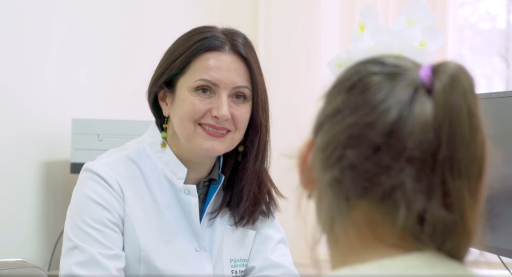
Moldova’s NREN RENAM enabled a national digital colposcopy network that uses telemedicine to expand cervical cancer screening access across regional hospitals.
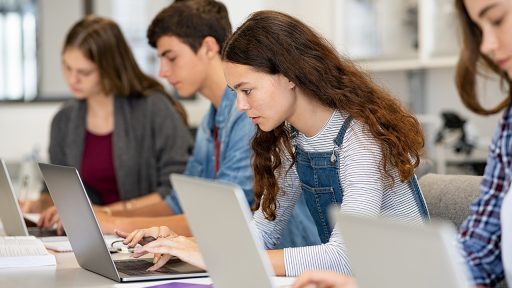
Finland’s nationally developed EXAM system lets students choose when and where to take university exams, reducing stress and expanding access across institutions.

Projects showcased at InnovaInvest used Copernicus satellite data to help farmers and communities reduce climate risk, improve crop outcomes and guide decision-making.

Finland’s NaQCl.fi project tested quantum key distribution over live networks, with the Finnish NREN CSC exploring future-ready secure communications.
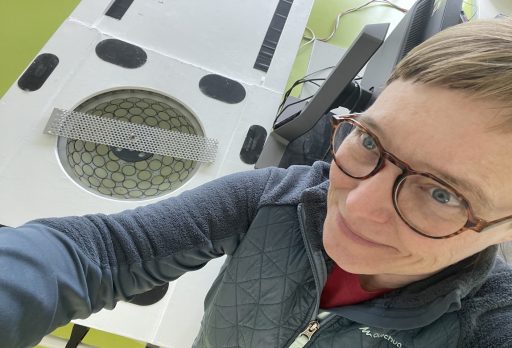
A European collaboration using ultrasound tomography and DFN’s X-WiN network aims to develop radiation-free breast cancer screenings that better detect tumours, especially in dense tissue.
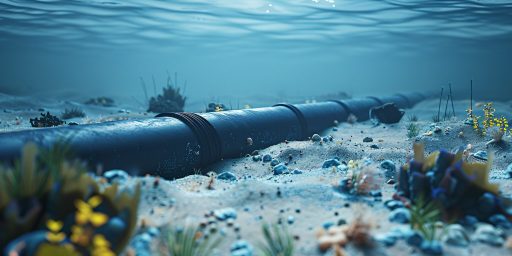
The EU-funded SUBMERSE project uses distributed acoustic sensing on subsea fibre cables to capture seismic signals and study underwater noise.
Denmark’s growing quantum ecosystem includes precise positioning research and a new centre for medical quantum sensing, with support from the NREN DeiC’s quantum initiatives.

A Nordic collaboration developing the NOCOS Digital Twin model uses sea ice forecast tools to give shipping companies better risk indicators for safer Arctic navigation.
Subscribe to our newsletter.
Submit a Story